Side A
Side B
Side A, Track 1
Every life has a
side A and a side B.
We press cremation ashes into fully playable vinyl records. The last voicemail. The favorite song. The laugh you keep forgetting and then remember all at once.
My father's record collection filled three milk crates and a milk crate's worth of guilt.
He died in March. By April I was sorting through his Coltrane and his Springsteen and his inexplicable collection of Herb Alpert. I kept picking up records and putting them down. I couldn't throw any of it away. I also couldn't figure out what to do with his ashes.
I'm a materials scientist. I've spent twenty years studying how things bind at the molecular level. And somewhere between the Coltrane and the urn on the mantle, I started asking a question that felt insane and then, slowly, didn't: what if the ashes could play?
It took fourteen months and forty-three test pressings to find out. The forty-fourth played clean.
What if the ashes could play? It took fourteen months and forty-three test pressings to find out.
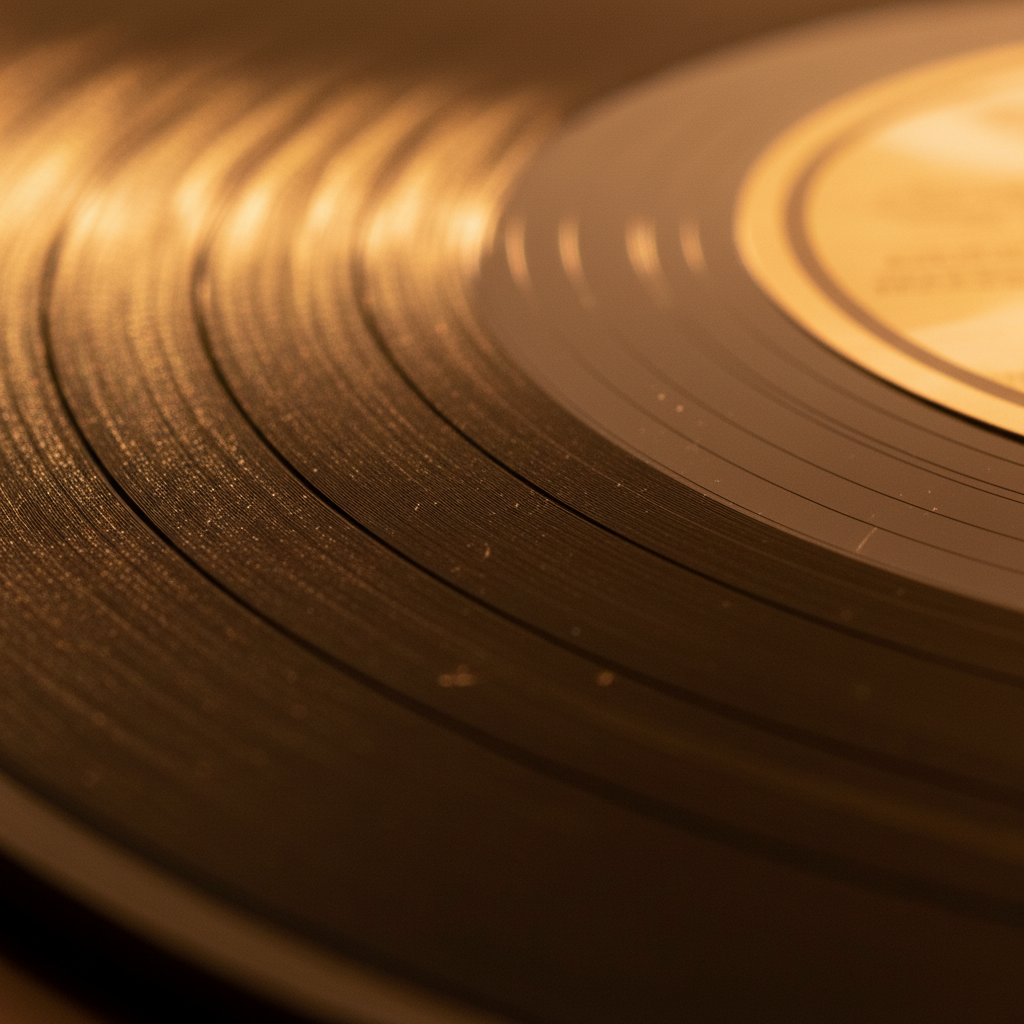
Test pressing no. 44 — March 2019
Test pressings before the first clean play
Months of R&D in materials science
Families who've pressed a record since 2019
Playable on any standard turntable
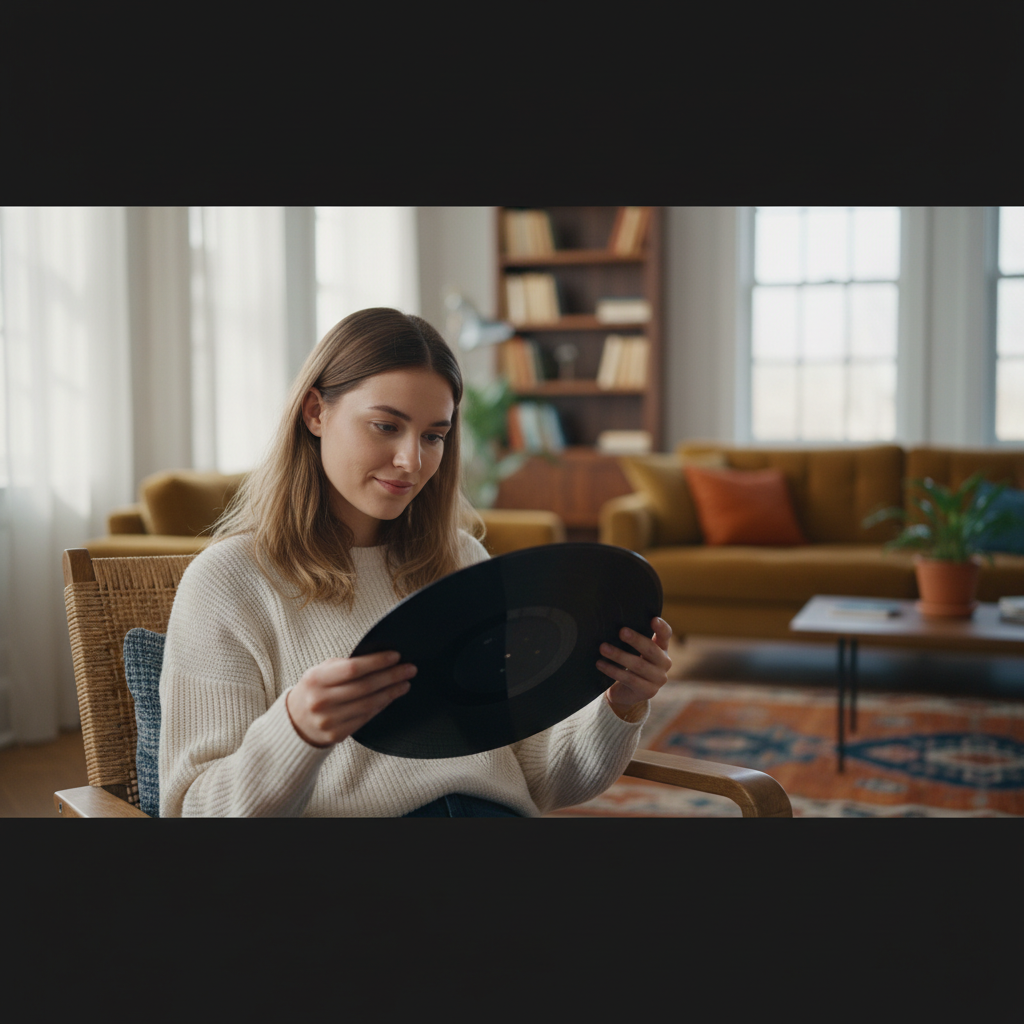
She wanted to record the voicemail he left the morning he drove to the hospital.
Margaret called from Portland. Her husband Tom had died six weeks earlier. She'd been playing his last voicemail on loop — she was terrified her phone would break or be stolen and she'd lose it.
We pressed Tom's ashes into a 7-inch. Side A: the voicemail, 47 seconds. Side B: "Harvest Moon" by Neil Young, which they danced to at their wedding in 1987.
Margaret told us she plays it every Sunday morning. She said it doesn't feel strange. She said it feels like the most natural thing in the world.
How cremation ashes become a groove you can drop a needle on.
The science is real. The record plays. Here is exactly how it works — no mysticism, no euphemism. Just materials science and a Neumann lathe.
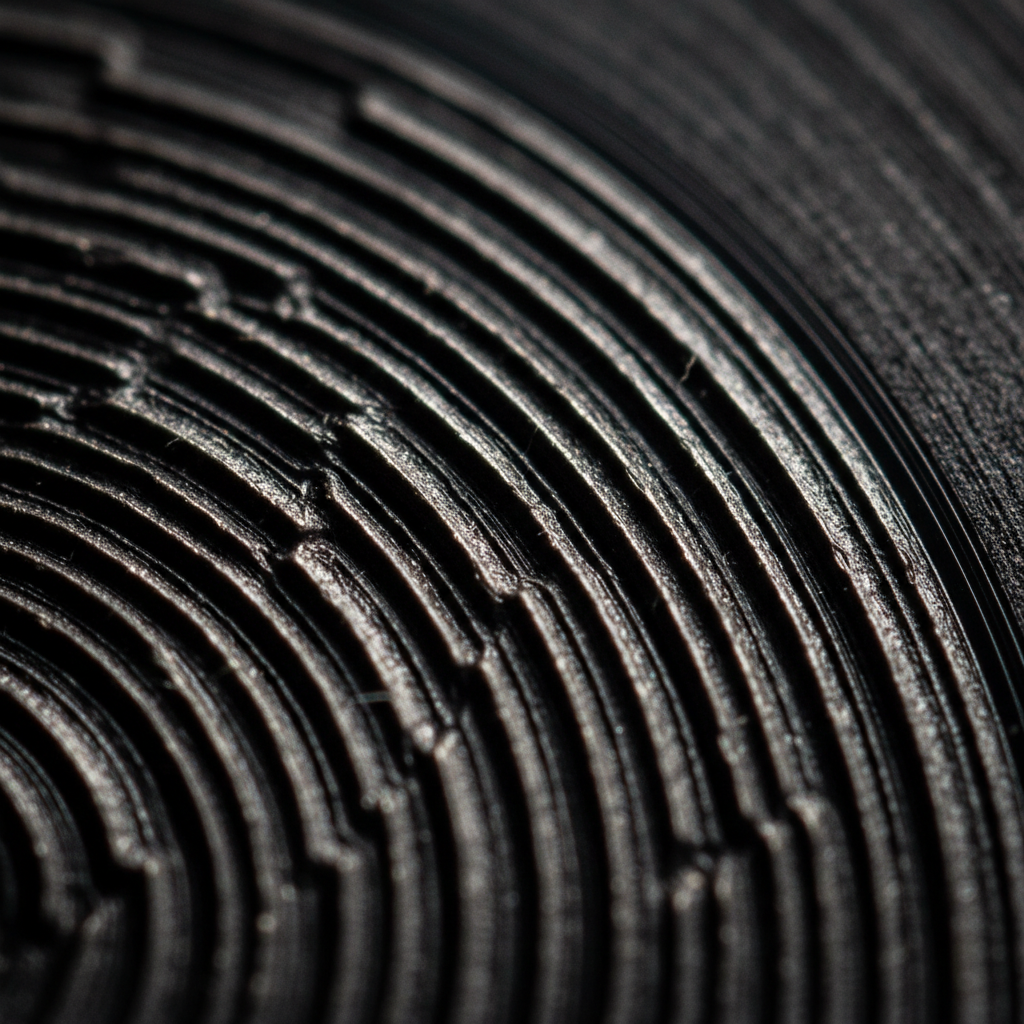
Grooves at 40× magnification — Pressing Studio, Portland OR
The Compound
Cremation ashes — properly called cremains — are calcium phosphate, similar in structure to hydroxyapatite. We mix a precise percentage into a PVC compound. Too much and the record is brittle. Too little and the pressing is indistinguishable from standard vinyl. The sweet spot is 3.7%.
The Lacquer
Your audio — a voicemail, a song, a reading, a laugh — is cut into a lacquer disc at our studio using a Neumann VMS-70 lathe. The cutting head carves a continuous spiral groove at 0.001-inch depth. This is where your person's sound lives before the pressing.
The Press
The compound is heated to 350°F and pressed between the stampers — the negative of your lacquer — under 150 tons of hydraulic pressure. The record cools in 30 seconds. The grooves are now permanent, encoded in a material that includes what remains.
The Play
The finished record plays on any standard turntable. The needle reads the same grooves as any other record. The sound quality is indistinguishable from commercial vinyl. The only difference is what the record is made of — and what that means.
"The needle doesn't know the difference. It reads the groove the same way it always has. The difference is what the record means."— Founder & Materials Scientist
Before you decide anything, just listen.
This is an anonymized sample pressing — the family's voice has been changed, but the recording process, the pressing quality, and the playback are exactly what you'd receive.
The audio is a 60-second excerpt from a 7-inch pressing. Side A: a father reading to his daughter over the phone. Side B: "Here Comes the Sun," which he used to whistle while making breakfast.
Sample Pressing No. 001
7-inch · 45 RPM · Anonymized
A Father's Voice
Sample Recording · 2:47
Voice identity has been altered to protect privacy. Audio quality and playback experience are identical to delivered pressings.
312 families have pressed a record. Here are four of their stories.
Each family chooses something different. A voicemail. A song. A laugh. A reading. A recording of Sunday morning. The record holds whatever they need it to hold.
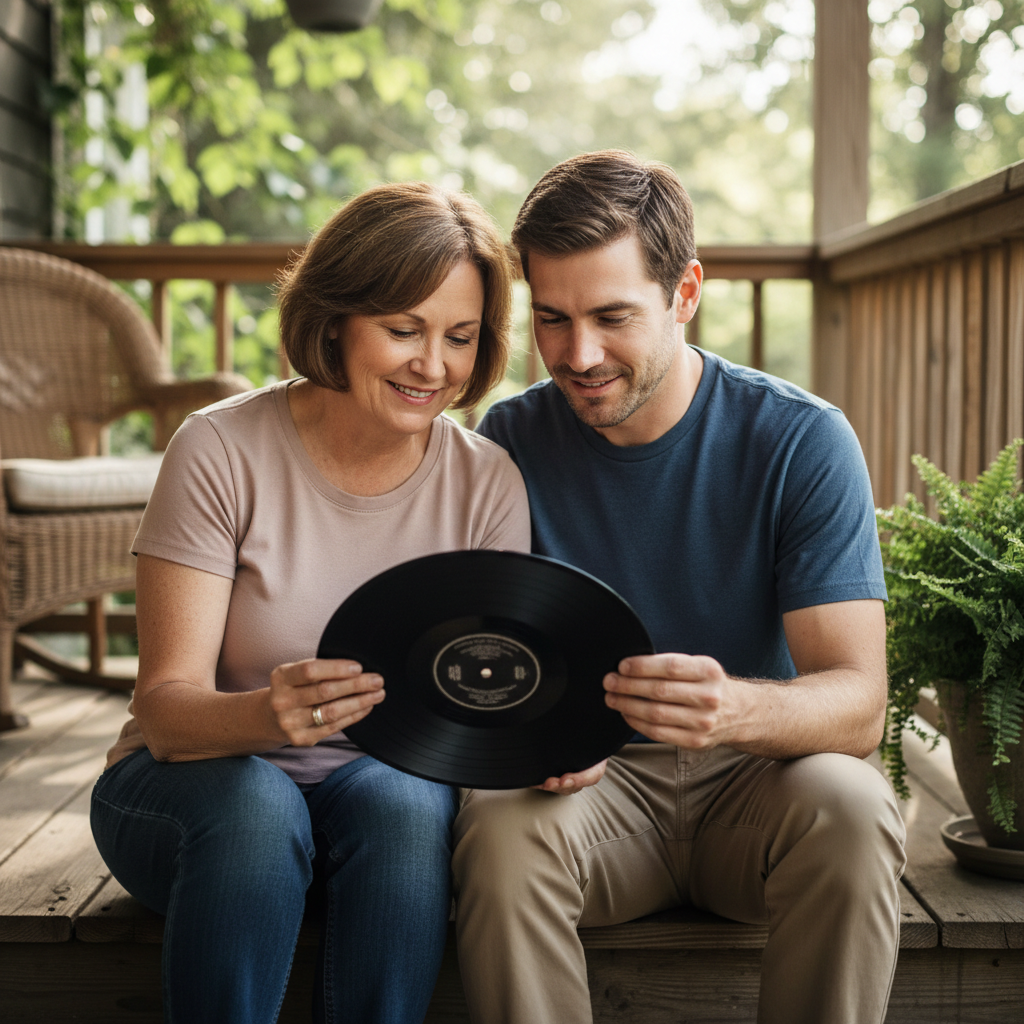
Dad always said music was the only honest language. We pressed his voice saying that, right before the song. Every time the needle drops, he says it again.
The Okonkwo Family · Atlanta, Georgia
Daughter & son of Emeka Okonkwo, 1941–2023

"I was terrified the voicemail would disappear. Now it's on a record. It's not going anywhere."
Ruth Ellison · Portland, Oregon

"She used to record herself cooking Sunday breakfast and send us the voice memos. We used the last one. The whole house sounds like her now."
The Nakamura-Walsh Family · Seattle, Washington
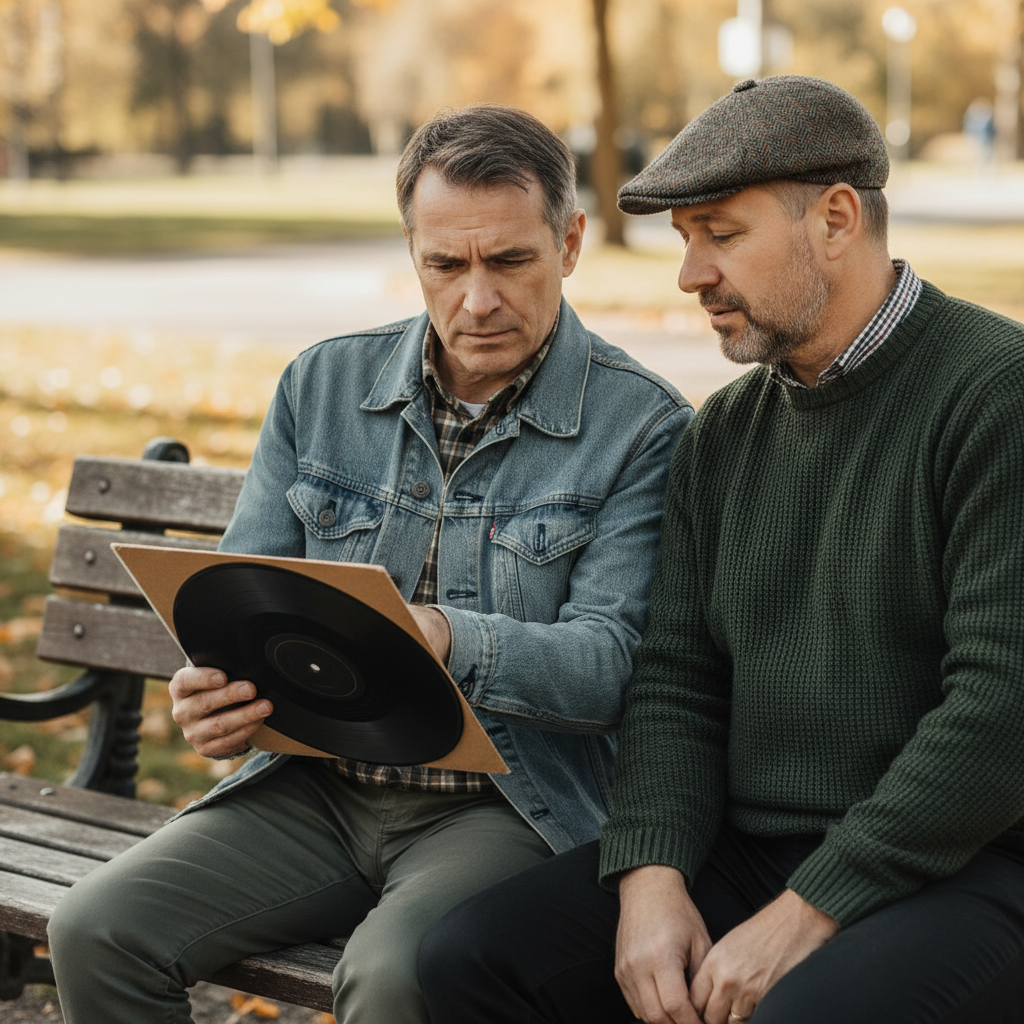
We pressed his laugh. Just the laugh, thirty seconds, then the song. You forget the specific sound of someone's laugh. Now we don't have to.
David & James Herrera
Sons of Roberto Herrera, 1948–2023
You're not asking "is this strange?" anymore. You're asking "what song would I choose?"
The Family Planning Guide.
A 12-page guide to having the conversation before it needs to happen. What to record, when to record it, how to prepare the audio, what to expect from the pressing process.
No phone number. No sales call. Just the guide.
How to record a voice memo worth pressing
Choosing between a 7-inch and 12-inch
The questions families wish they'd asked
Preparing the audio file for lacquer cutting
The complete pricing guide, no surprises
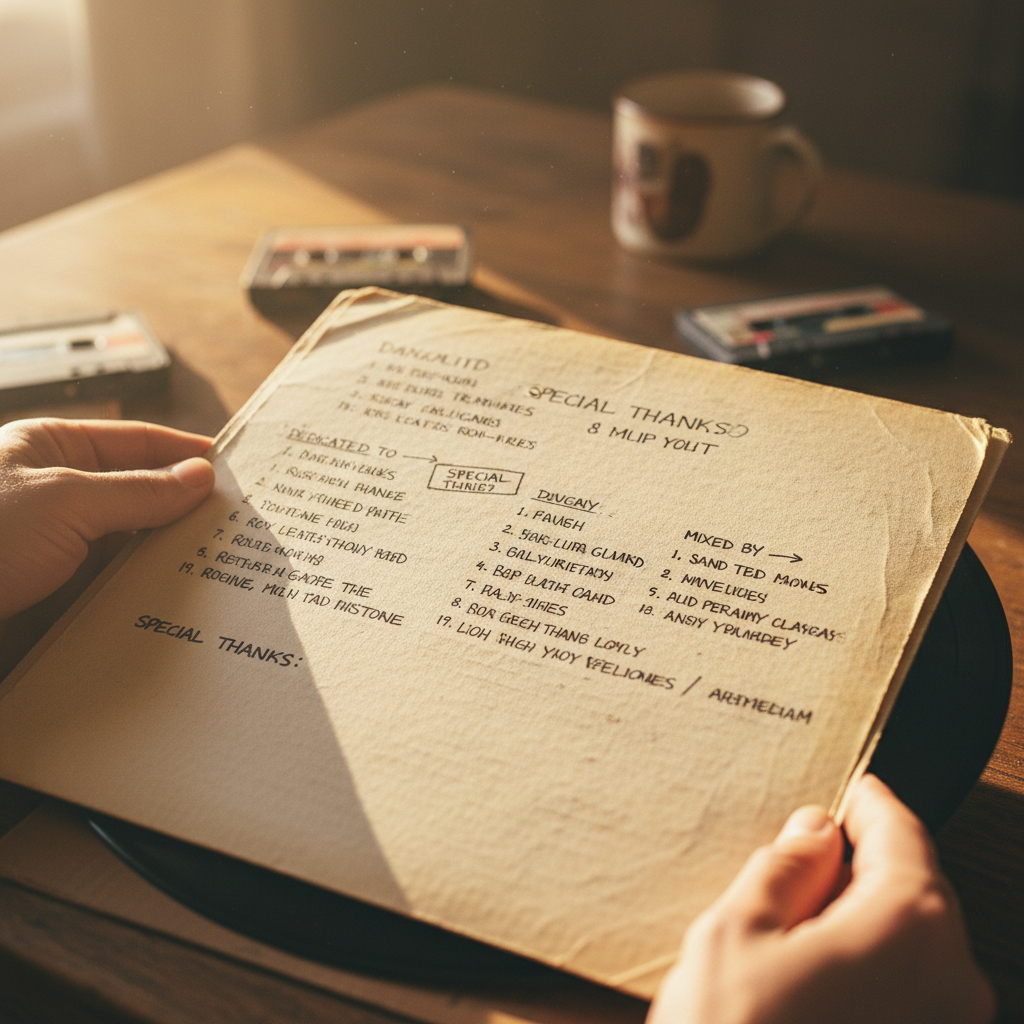
Every pressing ships with a hand-lettered sleeve
Not ready for the guide?
Go back and listen to the sample pressing.
The proof is in the playback. Drop the needle and hear what's possible before you decide anything.
Listen to a PressingThe process, simply:
You send us the audio file
We cut the lacquer, confirm with you
We press with the ashes
Delivered in 6–8 weeks